
9 Easy Indoor Hanging Plants
When your houseplants have filled all your windowsills, when plants have taken over your floors and tabletops, you should look up. Hanging plants are the answer to your space problems.
Plants that hang down are the perfect choice for smaller apartments. They maximize your space by keeping the plants elevated in the air.
These are my favorite easy-care indoor hanging plants that are perfect for beginner plant parents.

9 Easy Hanging Plants for your Home!

Spider Plant – Chlorophytum comosum
The Spider plant is a true houseplant classic.
Spider plants are super easy to care for, fast growers, and they grow little spider plant babies that you can propagate into full new plants.
The Spider plant prefers bright indirect light but can handle a little shade. Give it plenty of space to grow out sideways.
If you want something extra special, go for the curly Spider plant Bonnie.
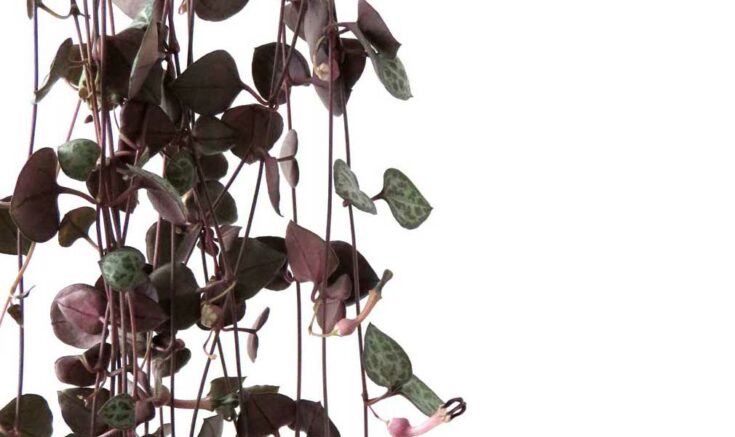
String of Hearts – Ceropegia woodii
The String of Hearts is named after the heart-shaped leaves growing on long slender trailing vines.
It grows curiously shaped pink tubular flowers that function as clever fly traps. Luring them with the scent of the flower to trap them inside the purple tops. The plant releases the fly after it has been covered in the plants’ pollen so it can go and pollinate.
Give your String of Hearts lots of bright, indirect light and plenty of vertical space to grow.
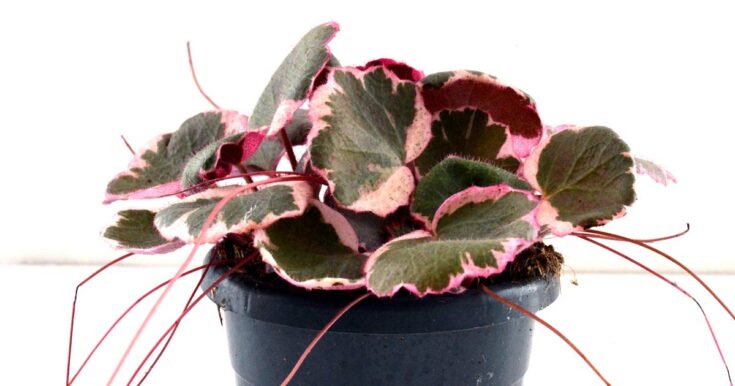
Strawberry Begonia - Saxifraga stolonifera
Saxifraga Stolonifera, more commonly known as Strawberry Begonia, is a popular hanging plant that's loved for its beautiful leaves and easy care.
The Strawberry Begonia is neither a Begonia nor a strawberry. The plant does grow leaves in the same shape as a Begonia and long runners like a strawberry plant.
With the right care and conditions, this plant can thrive in your home.
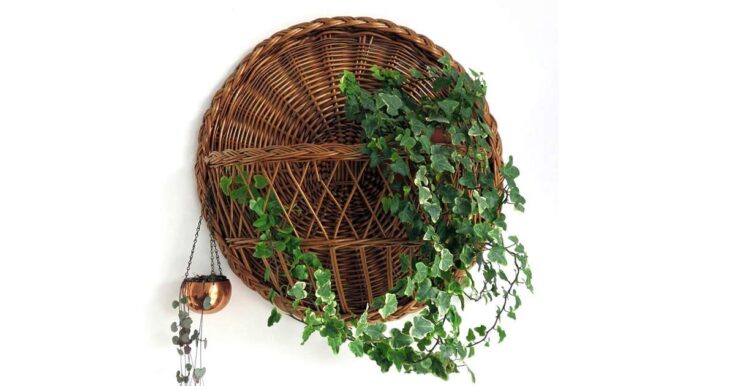
English Ivy – Hedera helix
English Ivy is an easy and fast-growing plant, so much so, that it’s considered invasive in some countries.
This plant can be planted outdoors as a ground cover but it also looks stunning indoors in a hanging planter.
The vines grow long and hang down. They will trail and climb if they find something to hold onto.
Hang your English Ivy plant where it has plenty of space to grow down and out. English Ivy does well both in bright indirect light, as well as in low light.
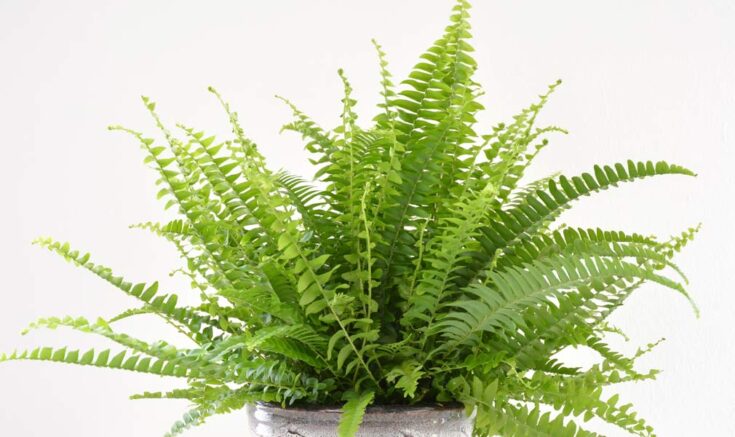
Boston Fern - Nephrolepis exaltata
Boston ferns are stunning hanging plants, but they can be a little fussy to keep lush and healthy indoors.
Keep the humidity high and the soil evenly moist.

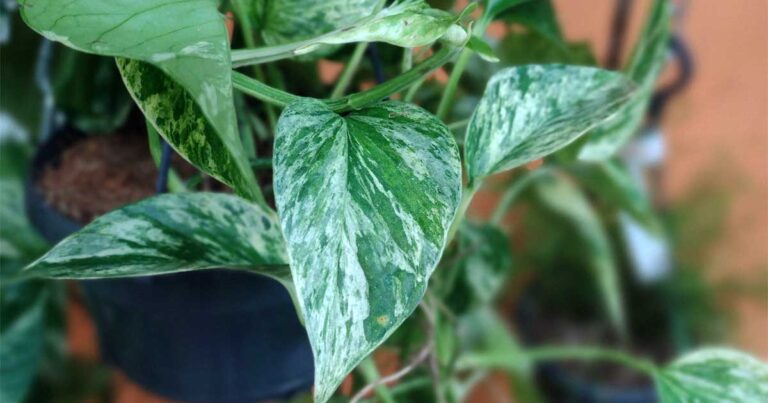
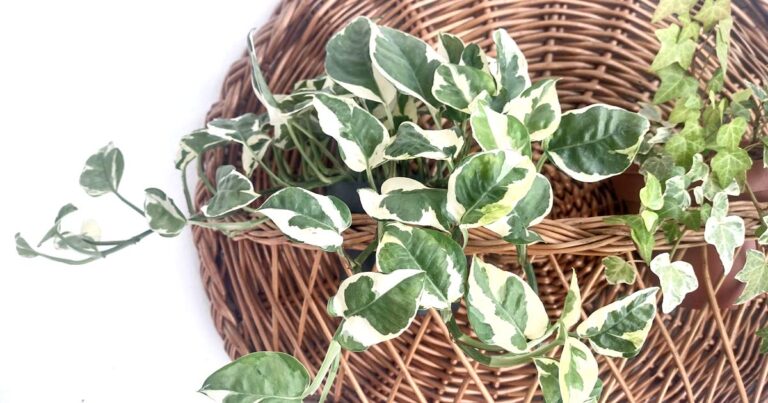
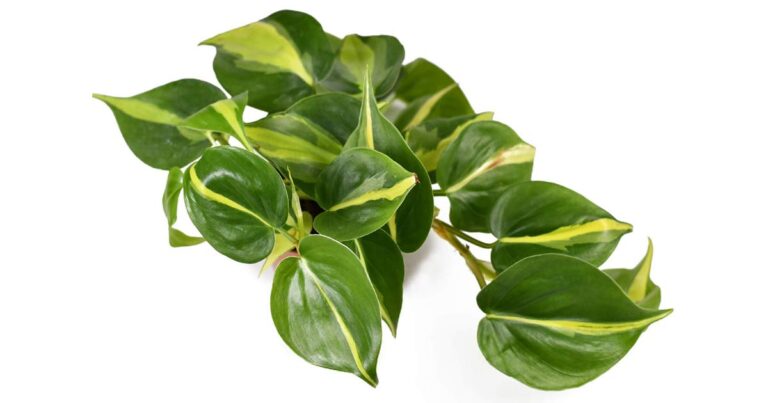
Pothos – Epipremnum aureum
The Pothos plant is one of my favorites because it doesn’t need a lot of special attention, and it looks gorgeous trailing down or growing on a moss pole.
The Pothos can grow almost anywhere. It can survive in low light, but it will grow faster if you place it in bright, indirect light.
Hang your pothos somewhere higher up, the vines can grow quite long. If needed, you can prune and propagate the vines.

Satin Pothos - Scindapsus Pictus
Scindapsus Pictus, also known as Satin Pothos, is a beautiful hanging plant that's perfect for adding a touch of green to your home.
This low-maintenance plant is loved for its heart-shaped, velvety leaves that come in shades of green and silver.
Provide bright, indirect light, and water when the top inch of soil is dry, The Satin Pothos can grow in average household humidity, but does better in medium to high humidity levels.

String of Pearls – Senecio rowleyanus
The easy-care String of Peals is an unusual looking hanging succulent with lots of small green “pearls” growing on long trailing stems.
The pearls store water inside, so no need for frequent watering. However, when the pearls start to shrivel, please water!
Hang your String of Pearls where it has enough room to trail down. Preferably with a few hours of morning sun, followed by bright, indirect light for the rest of the day.
The stems are easy to propagate when they get too long for the space.

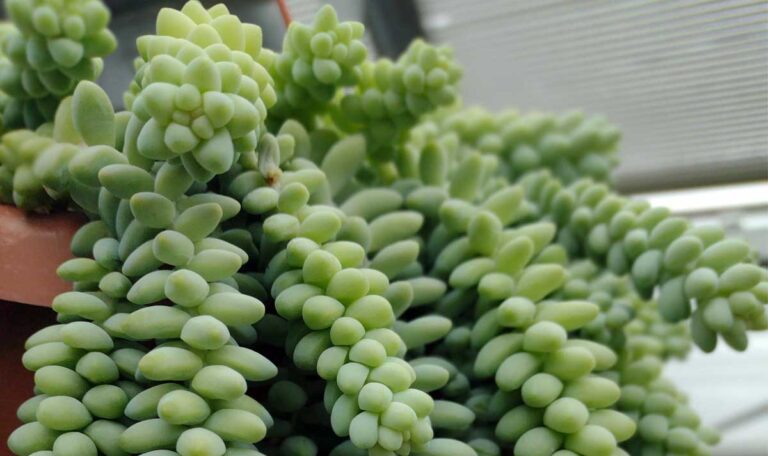
Burro’s tail – Sedum morganianum
Burro's tail is an eye-catching succulent that grows long pendulous stems. Perfect for hanging baskets!
The trailing stems are filled with small, ovate succulent leaves. These leaves overlap and grow so close together that they resemble a thick green braid.
Burro’s tail does well in a sunny spot like a south-facing windowsill.

Where to Hang Indoor Plants
The first thing is to think about the amount of light your plant needs. Some plants like to be in full sun near a window, while others prefer some shade. Knowing this will guide you to where you should hang your plant.
Also, consider how much space your hanging plant needs. Some plants trail straight down, others grow sideways and then hang down. Plants that grow long need to be hung higher.
How to Hang Plants Safely
Hanging baskets filled with plants and wet soil can be very heavy. You don’t want to hang your plant and have it fall out of the ceiling or off the wall.
To prevent this, drill where there is a wall stud or ceiling joist. Combine that with the right hardware to be sure your wall or ceiling can hold the weight of your plant.
Use a stud finder to locate wall studs or ceiling joists. Purchase a ceiling hook kit or wall bracket to hang your plant.
If you hang your plant from the wall, you can use a swivel bracket to move it in and out of the sun as needed.
Keep in mind that you might have to take down your plant to water it, so don’t hang it so high that you can’t easily reach it.
Don’t have a drill or are you a renter so no drilling allowed?
Hanging plants don’t always need to be hung. You can put your hanging plant on a shelf or plant stand and let it trail down. Another way to display your hanging plants is to hang them on the side hooks of a standing coat rack.
How to Water your Hanging Plants
Hanging plants usually need to be watered more often than plants at a lower location. This is because the air up higher is warmer and drier than below.
There are hanging planters with drainage and drip trays to catch excess water. You can use a step ladder and a long-spout watering can, but you still have to watch out that it doesn’t overflow. Water may still end up on the floor.
For these reasons, it is better to take your plant down to water it. Let it drain in the sink before putting it back.
Read More: how and when to water your indoor plants.

Further reading: DIY beaded macrame plant hanger.


I love plants, now I know how I killed my Sting of Pearls, I overwatered. Thank you, Faye R.