
Houseplants can’t talk, but they’re good at showing when something isn’t right. If you know what to look for, you can fix problems early and help your plants grow better. Here are seven common signs your houseplant is unhappy, and what you can do about each one.


1. Drooping or Wilting
Wilting can mean too little water, but it can also happen if the roots are sitting in soggy soil.
What to do:
- Stick your finger into the soil to check moisture.
- If the soil is soaked, let it dry out fully before watering again.
- Repot in fresh, well-draining soil if the plant has been sitting in water for too long.

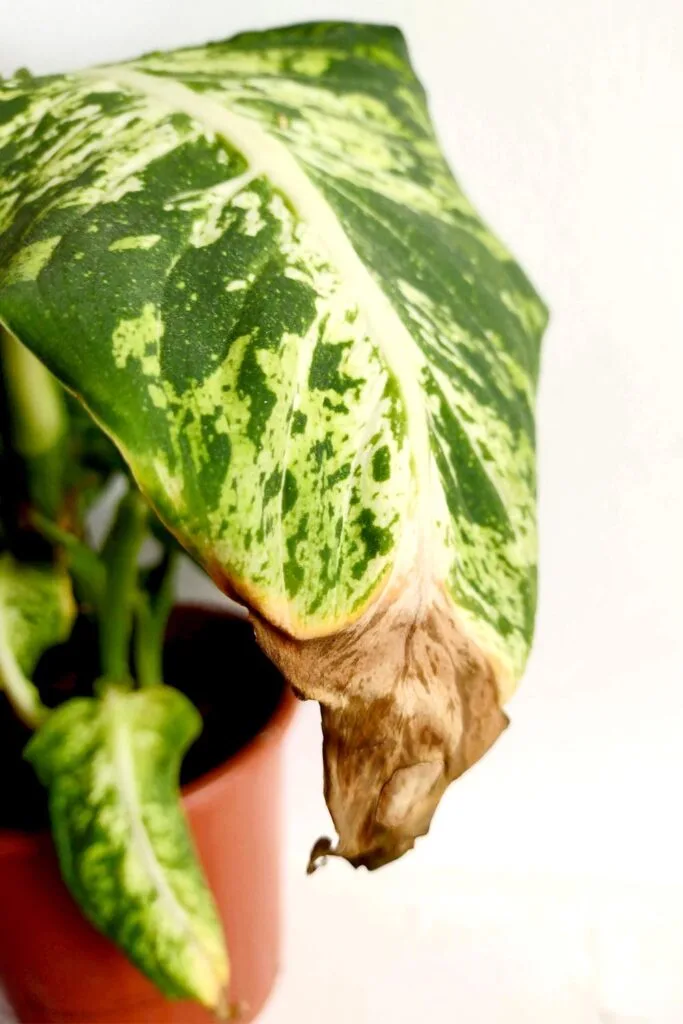
2. Brown, Crispy Edges
Dry, brown edges often point to low humidity or underwatering.
What to do:
- Water more consistently.
- Mist lightly or place the plant near a humidifier.
- Keep plants away from heaters or drafts.


3. Yellowing Leaves
If the leaves are turning yellow, your plant might be getting too much water, not enough water, or not enough light.
What to do:
- Check the soil moisture before watering.
- Make sure the pot has drainage holes.
- Move the plant to a brighter spot if the room is dim.
4. Slow or No Growth
If a plant isn’t growing during its usual growing season, it may need more light or nutrients.
What to do:
- Move it closer to a window or supplement with grow lights.
- Feed a balanced houseplant fertilizer according to the label.
- Check if the plant has outgrown its pot.
5. Leaf Drop
Sudden leaf drop often happens when a plant is stressed — usually from temperature changes, drafts, or overwatering.
What to do:
- Keep plants away from cold windows, radiators, and drafty doors.
- Maintain consistent watering.
- Avoid moving plants around too often.
6. Faded or Pale Leaves
If your plant’s leaves look washed out, it may not be getting enough light.
What to do:
- Place the plant near a brighter window.
- Rotate the pot every week so all sides get light.
- If natural light is limited, use a small grow light.
7. Spots, Webbing, or Sticky Residue
These can be signs of pests like spider mites, thrips, or mealybugs.
What to do:
- Inspect leaves (especially undersides).
- Wipe pests off with a damp cloth and mild soapy water.
- Use neem oil or an insecticidal spray if the problem continues.
- Keep affected plants away from your healthy ones.
Keeping an eye on these signs helps you catch problems early and keeps your houseplants thriving. Regular checks, good light, proper watering, and a quick response go a long way toward keeping your indoor plants happy.