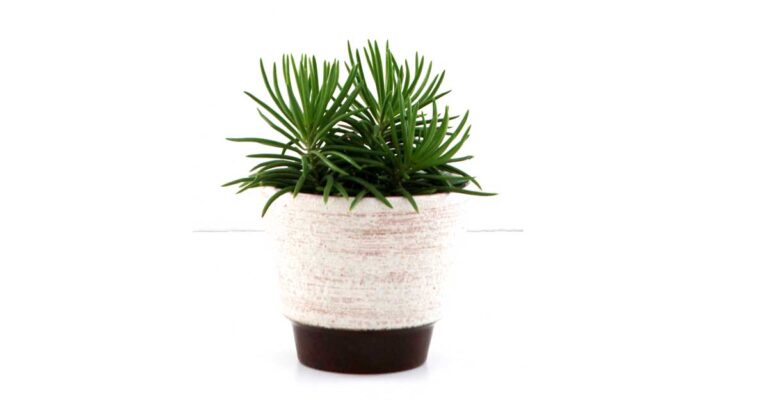
Peperomia Obtusifolia Care – How to Grow a Baby Rubber Plant
The Peperomia obtusifolia is a popular, evergreen succulent type plant. It is easy to care for as a houseplant because it can handle some low light, a bit of neglect, and doesn’t need very high humidity.
Being so low maintenance, this compact radiator plant is perfect for small spaces like offices, dorm rooms, and window sills.

Peperomia Obtusifolia
Botanical name: Peperomia obtusifolia obtipan. Common names: Baby rubber plant, American rubber plant, Peperomia green, or Pepper face plant.
The peperomia obtusifolia is native to tropical forests throughout Southern Florida, Central America, and South America. In its natural habitat, it typically grows under the canopy of larger trees in filtered or dappled sunlight.
Want to buy a Peperomia obtusifolia? Find it for sale on Amazon!
Light
Indoors, a green peperomia likes moderate to bright, indirect sunlight. It can grow in lower light but growth will slow down or get leggy.
Variegated variations like the Peperomia obtusifolia Marble, or Peperomia Obtipan bicolor, generally require the same care as the regular green varieties but they need more light. Consider getting a grow light if your home doesn’t receive enough natural light.
Occasionally wipe the leaves of your baby rubber plant with a soft cloth to remove any dust. This will help your plant to soak up as much light as possible.

Watering
Water regularly to keep the soil slightly moist. The soil should feel like a wrung-out sponge. Water when the top layer of the soil is dry.
Water very sparingly in winter. Water just enough to make sure the leaves don’t shrivel up. If you are uncertain, you can use a moisture meter to help you with when to water.
Click here for my Beginner’s Guide to Watering Indoor Plants.
Humidity
The peperomia obtusifolia is not very needy when it comes to humidity levels. It can grow in higher humidity but is very well adapted to handle the average indoor humidity.
You can raise the humidity with a small humidifier if your home has dry air.
Soil and Repotting
Repot your baby rubber plant when roots have filled the pot so much that it has become root bound. You might see roots growing from the drainage holes on the bottom.
Every two to three years repot in well-draining potting soil, even if your plant still has room to grow. The soil will have lost its nutrients and will need to be replaced with fresh soil.
Plant in a pot one size bigger, with drainage holes on the bottom. Excess water needs a way out.
Click here for tips on how to repot your plants.
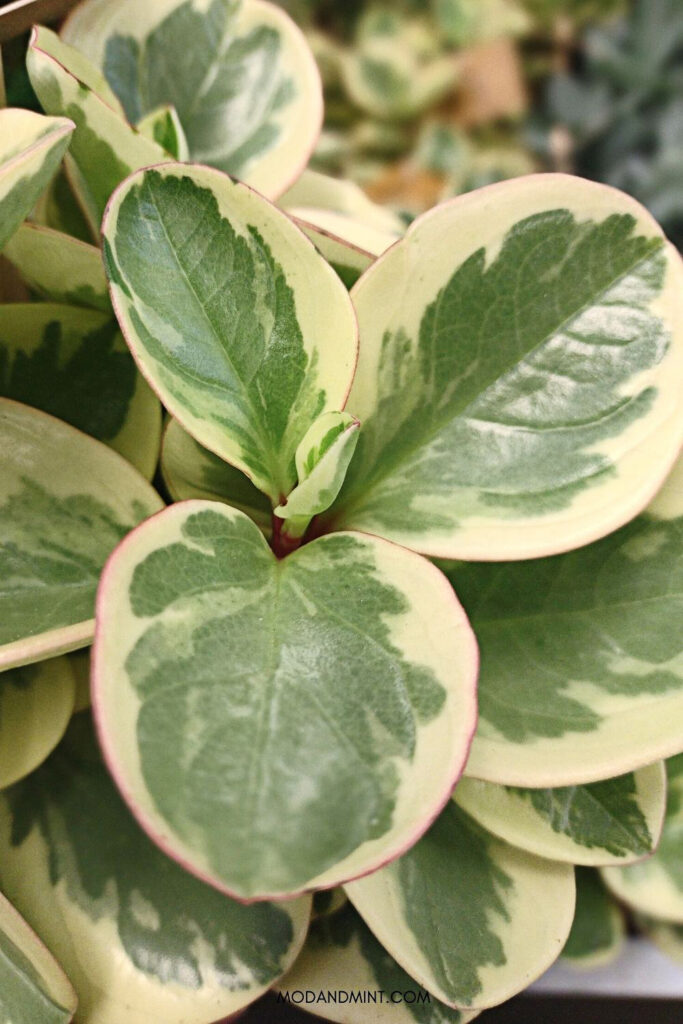
Want more Peperomias? Watermelon Peperomia, Peperomia graveolens, Peperomia hope, Peperomia prostrata, and the Peperomia caperata.
Peperomia Obtusifolia Propagation
The easiest way to propagate this plant is by taking stem or leaf cuttings and rooting them in water or soil. If your plant is growing baby offshoots at the base, you can remove and transplant those into their own pots.
Use a rooting hormone powder on your cuttings to speed up the propagation process. Dip the bottom of the cuttings in water first, then dip it in rooting powder before you plant it.
To propagate cuttings in water, put it in a glass or jar with a bit of water and place it in bright, indirect light. Change the water regularly and wait for roots to grow to about 1-2 inches long before potting up in soil.
To propagate in soil, place the callused cuttings in a small pot with well-draining soil. Keep in bright, indirect light. Mist or water very sparingly until you see new growth.
Click here for the 6 ways to propagate your plants.

Flowers on a Peperomia Obtusifolia
Mature plants can flower when they get enough light and their overall care and conditions are right.
If they bloom, it is usually in spring or early summer. The flowers are not very showy. The baby rubber plant grows long, upright flower spikes, covered with tiny flowers.
The flower stalks will naturally fall off as they finish blooming. You can also gently remove the spikes yourself when they are done flowering.
Is the Peperomia Obtusifolia Toxic to Cats?
The peperomia obtusifolia is considered non-toxic and safe for cats and dogs. However, it’s always a good idea to prevent pets from chewing on houseplants, as it can cause mild digestive upset.