Tropical houseplants are plants that naturally grow in tropical climates. They are used to warm temperatures and high humidity.
To grow these exotic plants in your home, give them bright, indirect light, high humidity, and keep the soil slightly moist.
Here are 20 of my favorite tropical plants to grow in your home!


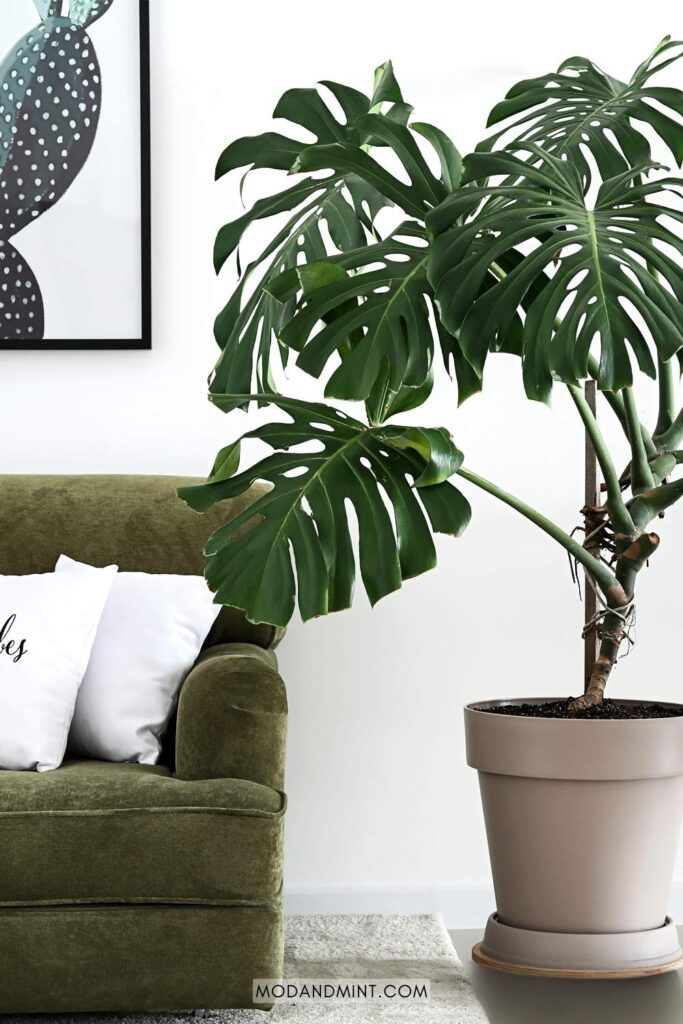
1. Monstera Deliciosa (Swiss Cheese Plant)
With its iconic split leaves reminiscent of Swiss cheese, the Monstera Deliciosa can grow very large, bringing that jungle vibe to your home. This easy-to-care-for plant can thrive indoors, making it a popular houseplant.
Further reading: How to Care for a Monstera Deliciosa.

2. Fiddle Leaf Fig (Ficus Lyrata)
The Fiddle Leaf Fig is known for its broad, violin-shaped leaves. With proper care, including regular watering and occasional misting, the Fiddle Leaf plant can grow into a large, green focal point in your home.
Further reading: How to Care for a Fiddle Leaf Fig.


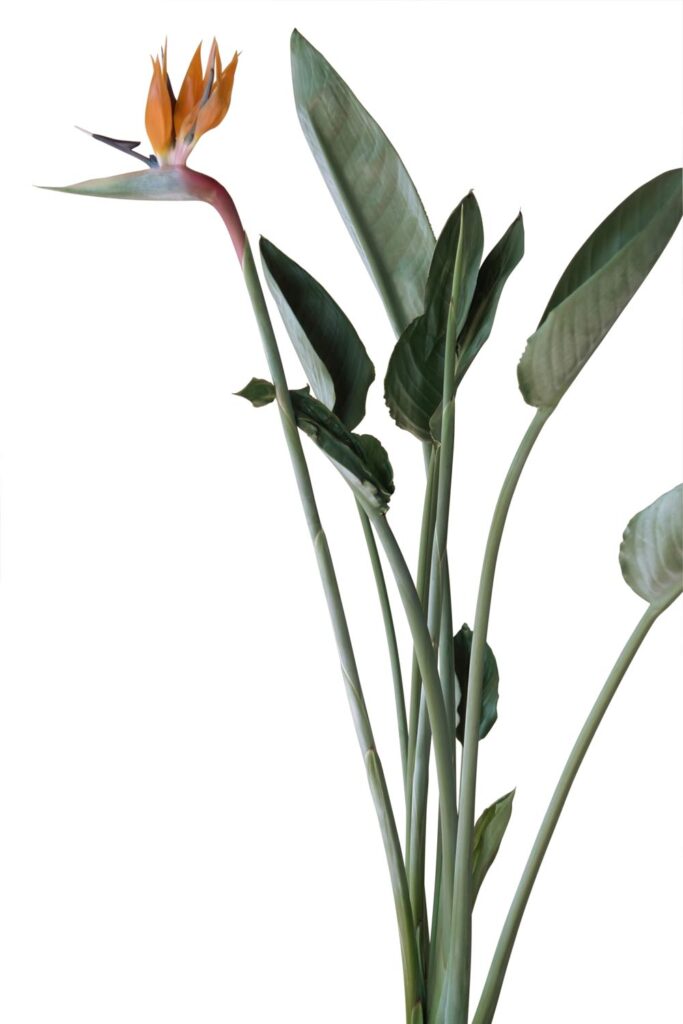
3. Bird of Paradise (Strelitzia)
The Bird of Paradise plant grows striking, bird-like flowers and large paddle-shaped leaves. Their robust and sturdy nature helps them stand up to various indoor conditions, making it a popular houseplant choice.

4. Rubber Plant (Ficus elastica)
The Rubber Plant, or Ficus elastica, is a popular houseplant known for its large, glossy leaves that add a bold, tropical touch to any indoor space. Easy to care for and adaptable to various light conditions, the Rubber Plant is a favorite among both beginner and experienced plant owners.
Further reading: How to Care for a Rubber plant.


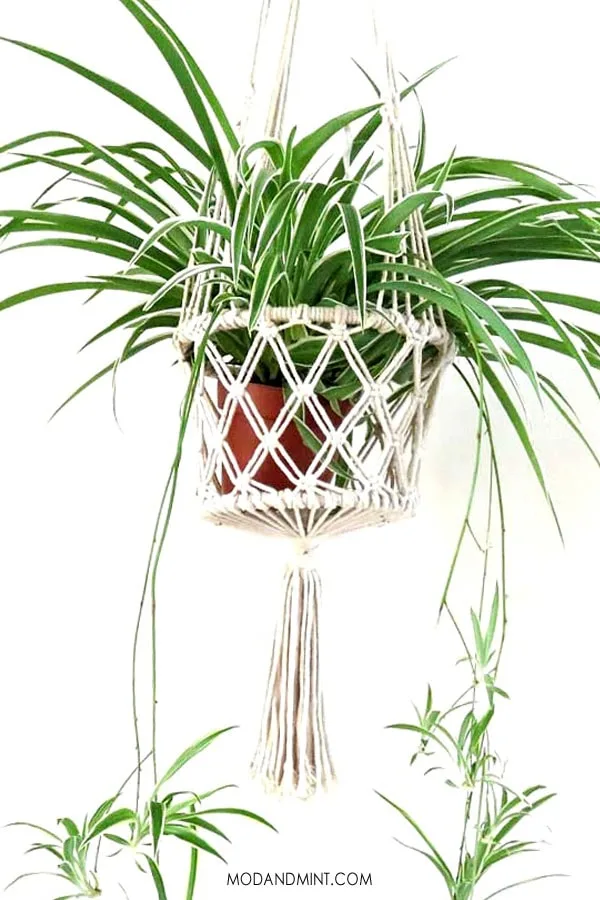
5. Spider Plant (Chlorophytum comosum)
The Spider Plant is beloved for its arching leaves and baby spider plants dangling down. This resilient houseplant thrives in a wide range of light conditions. And with its easy propagation and air-purifying qualities, the Spider Plant is a versatile addition to any indoor garden.
Further reading: How to Care for a Spider plant.

6. Philodendron
There are approximately 50 to 60 different types of Philodendron commonly grown as houseplants. These varieties are popular due to their lush foliage, ease of care, and adaptability to indoor environments. Popular species include Philodendron birkin, Philodendron brasil, and Philodendron pink princess. Each type offers unique leaf shapes, sizes, and colors.


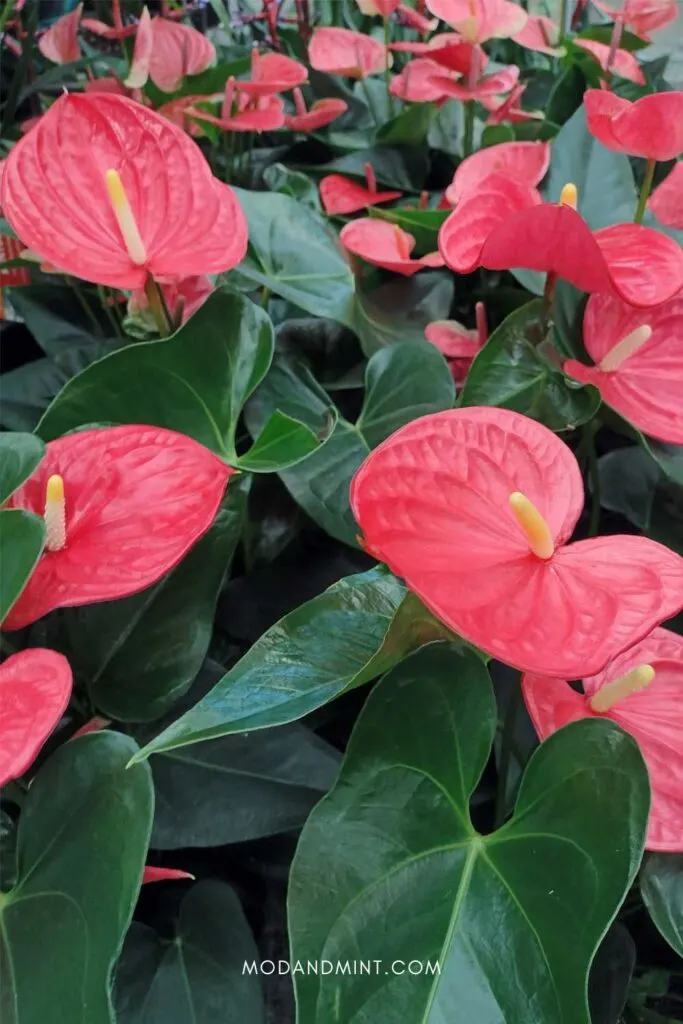
7. Anthurium
Approximately 20 to 30 species of Anthuriums are commonly grown as houseplants. These species are selected for their vibrant, long-lasting flowers or striking, often velvety heart-shaped leaves. With the right care, these stunning plants grow well indoors.

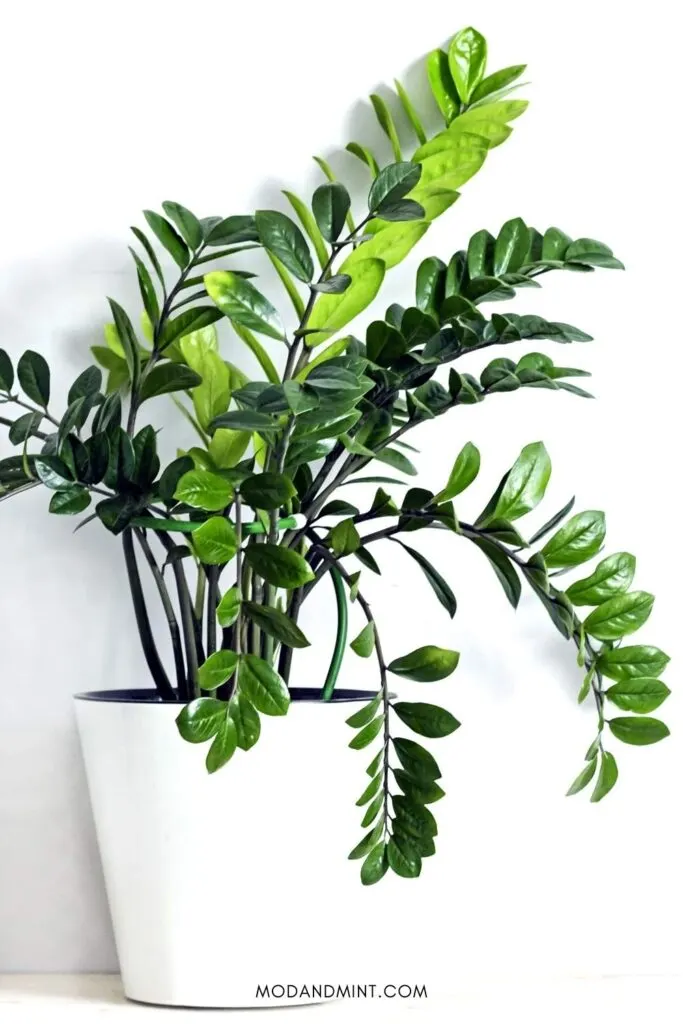
8. ZZ Plant (Zamioculcas Zamiifolia)
The ZZ Plant is a popular choice for its glossy, dark green leaves and tolerance of lower light conditions. This tropical plant is somewhat drought tolerant and requires minimal maintenance, making it an excellent houseplant for beginners or those with busy lifestyles and low-light environments.
Further reading: How to Care for a ZZ plant.

9. Pothos (Epipremnum Aureum)
Pothos, also known as Devil’s Ivy, is a fast-growing tropical plant that thrives in a variety of light conditions. With its heart-shaped leaves and trailing vines, Pothos adds a touch of greenery to shelves, hanging baskets, or tabletops with minimal care requirements.
Further reading: How to Care for an Epipremnum aureum.


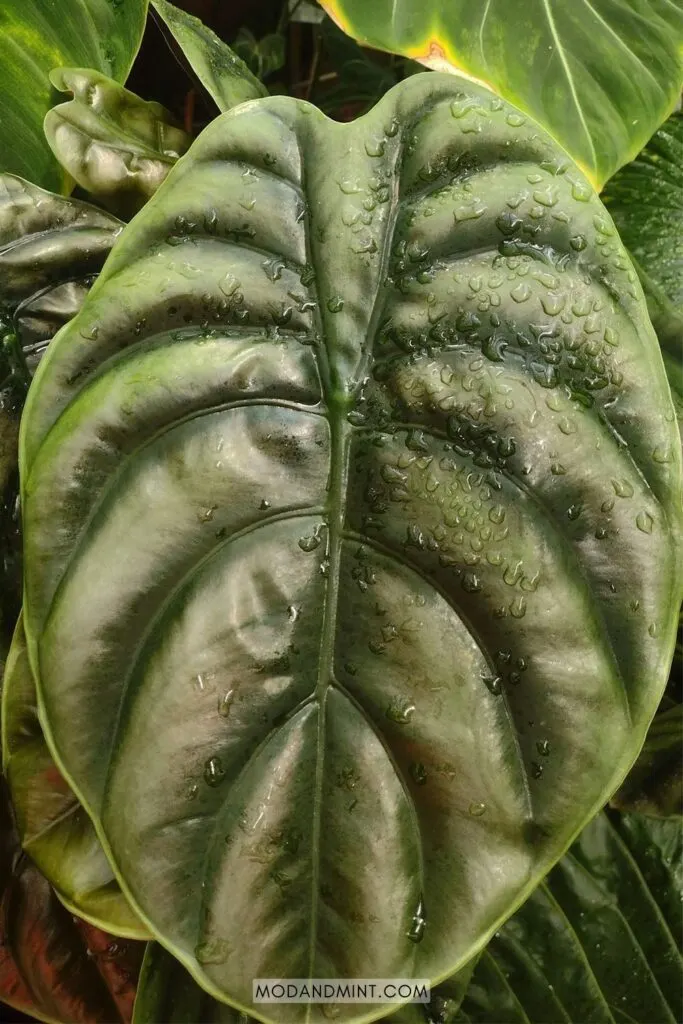
10. Alocasia (Elephant Ear Plant)
Alocasia plants are prized for their large, dramatic leaves and striking foliage patterns. These tropical plants require bright, indirect light and high humidity to thrive indoors, making them ideal candidates for bathrooms or kitchens with ample moisture.
Further reading: How to Care for an Alociasia baginda.

11. Syngonium (Arrowhead Plant)
Syngonium, also known as Arrowhead plant, charms with its arrow-shaped leaves and vining growth habit. This versatile plant comes in a variety of leaf colors and patterns, from classic green to beautiful variegated pink hues.
Further reading: How to Care for a Syngonium.


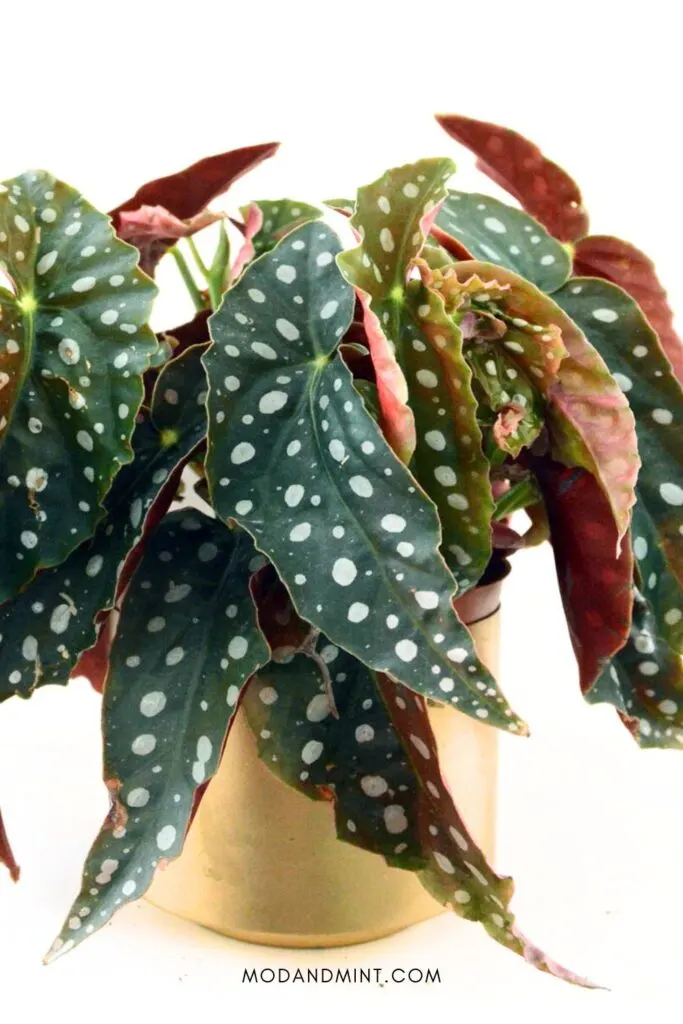
12. Begonia Maculata (Polka Dot Begonia)
The Begonia Maculata captivates with its eye-catching foliage with silver polka dots and striking red undersides. With its unique appearance and relatively low maintenance requirements, Begonia Maculata is a standout feature in your indoor garden.
If you want even more polka dots, check out the Begonia maculata Double Dot. Double the amount of dots!
Further reading: How to Care for a Begonia maculata.

13. Boston Fern (Nephrolepis exaltata)
The Boston Fern is prized for its lush, feathery fronds. This classic houseplant thrives in bright, indirect light and high humidity levels, making it an ideal candidate for bathrooms or kitchens. Regular misting and watering will help keep the Boston Fern’s soil consistently moist, allowing it to grow indoors.
Further reading: How to Care for a Boston Fern.


14. Caladium Bicolor
Caladium Bicolor, also known as Elephant Ear or Heart of Jesus, boasts colorful, heart-shaped leaves. Different varieties come in pink, red, white, and green variegation. With its vibrant foliage and easy care requirements, Caladiums are a must-have for adding a pop of color to your home.
Further reading: How to Care for a Caladium.


15. Calathea
Calathea is a genus of tropical plants belonging to the Marantaceae family. Calatheas are renowned for their stunning foliage patterns and unique leaf movements, earning them the nickname “prayer plants.” The leaves open during the day, and, as a response to changes in sunlight, fold and point up at night like praying hands.
Further reading: How to Care for a Calathea.


16. Callisia Repens (Pink Lady Plant or Turtle Vine)
Callisia Repens is a charming trailing plant with small, succulent-like leaves. This low-maintenance plant makes an excellent choice for hanging baskets or closed terrariums. With its trailing growth habit and unique foliage, Callisia Repens adds a whimsical touch to any indoor garden.
Further reading: How to Care for a Callisia repens.


17. Ctenanthe Burle Marxii (Fishbone Prayer Plant or Never-Never Plant)
The Ctenanthe Burle Marxii grows oval leaves with a dark green fish bone pattern. With its graceful prayer plant foliage and air-purifying qualities, the Ctenanthe is a popular, but not the easiest, houseplant to grow.
Further reading: How to Care for a Ctenanthe burle marxii.


18. Dieffenbachia (Dumb Cane Plant)
Dieffenbachia plants grow large, variegated leaves that bring a tropical vibe to indoor spaces. It’s important to handle the Dieffenbachia with care, as its sap can cause skin irritation and is toxic if ingested by pets or children.
Further reading: How to Care for a Dieffenbachia.


19. Maranta Leuconeura (Prayer Plant)
Maranta Leuconeura is a stunning and popular houseplant known for its vibrant leaves. This is another prayer plant, so the leaves fold upward at night like praying hands. With this fascinating behavior, the Maranta adds an element of wonder to any indoor garden.
Further reading: How to Care for a Maranta leuconeura.


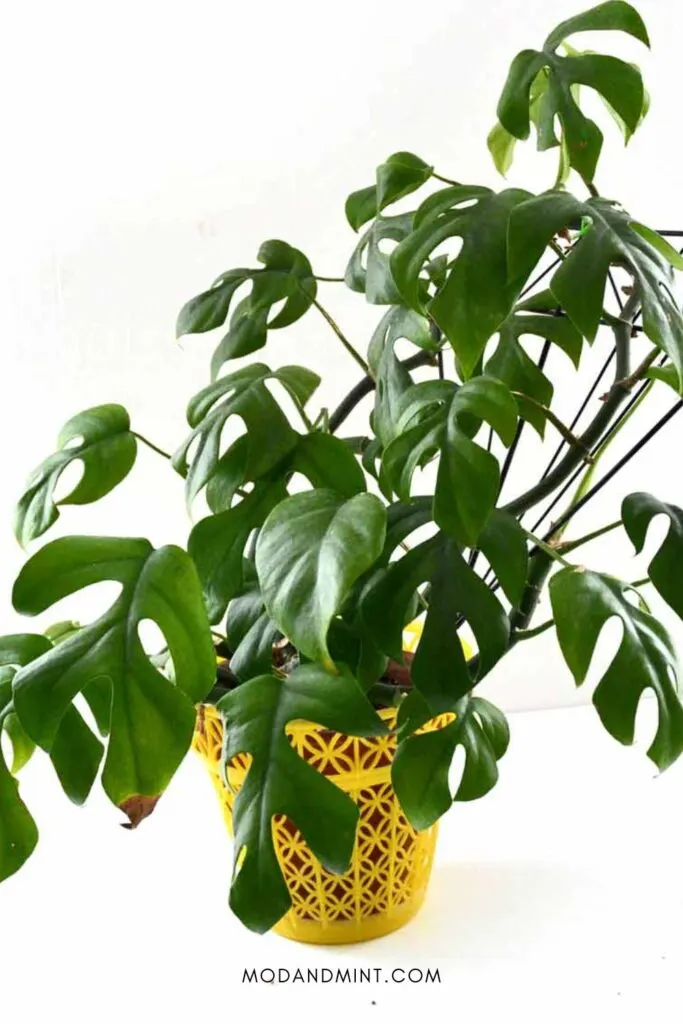
20. Rhaphidophora Tetrasperma (Mini Monstera)
Rhaphidophora Tetrasperma is often named Mini Monstera due to its resemblance to the larger Monstera Deliciosa. It also grows fenestrated leaves and fast-growing vines. With its compact size, it is perfect for adding a touch of jungle vibes to smaller spaces.
Further reading: How to Care for a Rhaphidophora tetrasperma.