
Cacti are popular houseplants for a reason. They don’t need high humidity and store water inside, making them super easy to care for as indoor plants.
Still, it can be tricky to know when and how much to water your cactus. Overwatering is a common problem, but not watering enough or not watering at all can also lead to trouble.
One of the biggest misconceptions is that cacti don’t need any water. Yes, they like dry soil and can last without water for a long time but cacti do need to be watered to survive.


Cactus Watering
Cacti can be divided into two groups: desert cacti and jungle cacti. Jungle cacti don’t have spines, are found in the tropical rainforest, and like more water and higher humidity than the typical desert cacti. Examples of popular jungle cacti are the Holiday cacti and Fishbone cactus.
This article is all about how to water desert cacti. These plants come from hot and dry desert areas.
Related reading: 6 Differences between cactus and succulent plants.

Overwatering Cactus Plants
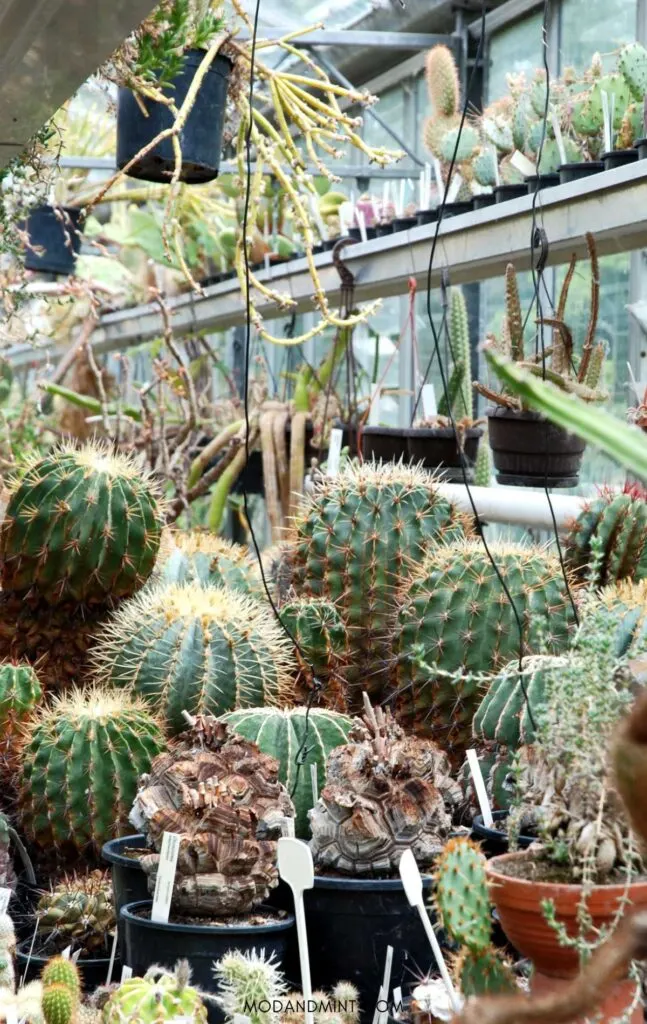
Overwatering is the number one cause of cacti not surviving in our homes. These plants are drought-tolerant, used to dry soil, and long periods of no rain.
Frequent overwatering can lead to root rot problems. If roots rot, they lose the ability to absorb water and can’t supply any water to the plant. Unfortunately, root rot is irreversible. But you can rescue and save an overwatered cactus by cutting the healthy part off and propagating it to start over.
Signs that your Cactus is Overwatered:
- the base of the cactus turns brown or black
- cactus feels soft and mushy
- cactus falling over or collapsing on itself
- rotten roots
Read more: How to save an overwatered cactus.


Underwatering Cacti
Since cacti store water inside their plant cells, they don’t need to be watered very often. But beware. Just like too much water, too little water can be the demise of your indoor cactus plants. Dehydration can be a serious issue.
It’s easier to save an underwatered cactus than one that has been overwatered. Simply give your plant a generous watering and it should recover.
Some cacti can survive weeks, sometimes months without water. This is great if you travel a lot and want your plants to survive while you’re away.
Signs that your Cactus is Underwatered
- cactus starts shriveling
- looks pale and deflated
- starts wilting and drooping
- spines and leaves dry and fall off easily
- dry, brittle roots

When to Water Cactus Plants
Water cacti only when the soil is completely dry, or when it starts to shrivel. High temperatures, sun light, the type of container, soil mix, and type and size of the plant all influence when you will have to water.
Check the soil every 2 to 3 weeks. More often in summer, less in winter. Stick your finger two inches below the surface of the soil. If it feels moist, don’t water but wait a few days and check again. If the soil is dry, go ahead and water thoroughly.
If in doubt, don’t water. It is better to underwater than overwater your cactus. If you are unsure, you can use a moisture meter to help you out. Read my post on how to use a plant moisture meter for more information.
Water your cactus very sparingly in winter when most desert cacti go dormant. Keep the soil almost dry, watering just enough to prevent the plant from shriveling up completely.


How to Water Cacti
Indoors, mimic their native growing conditions by watering thoroughly, and then letting the soil dry out completely before watering again.
Allow all excess water to drain out of the bottom of the pot. Make sure the pot has drainage holes on the bottom. This is a must. Otherwise, excess water has no way to get out and will drown the roots.
Use a watering can with a long spout to reach the soil near the base of the plant. You don’t have to pour water over the top of the cactus. No need to mist or spray water on your cactus. It likes dry air, so it is not necessary to raise the humidity.
Fertilizing
Feeding your indoor cactus can help with growth, color, and flowering. Use a diluted cactus fertilizer once a month or every other month during the growing season in spring and summer.
Don’t fertilize in winter when the plant goes into dormancy and growth slows down. Too much fertilizer can be worse than none at all.
Cacti in Self-Watering Pots
It is not recommended to grow cacti in self-watering pots. These planters are designed to keep the soil continuously moist. While this is great for moisture-loving plants like a Boston fern, it is something your desert cactus does not need. If your cactus is currently in a self-watering planter, take it out and repot it in a normal pot.

