
9 Tips for Propagating Your Indoor Plants
Propagating plants is a rewarding and budget-friendly way to grow your indoor plant collection.
Houseplant propagation is the process of creating new plants from existing ones by placing parts of a plant, like stems or leaves, in soil or water until they grow roots and develop into new plants.
Over the years, I have propagated many different plants. Today I’m sharing 9 simple tips to help you successfully propagate your favorite plants!

1. Choose the Right Plant
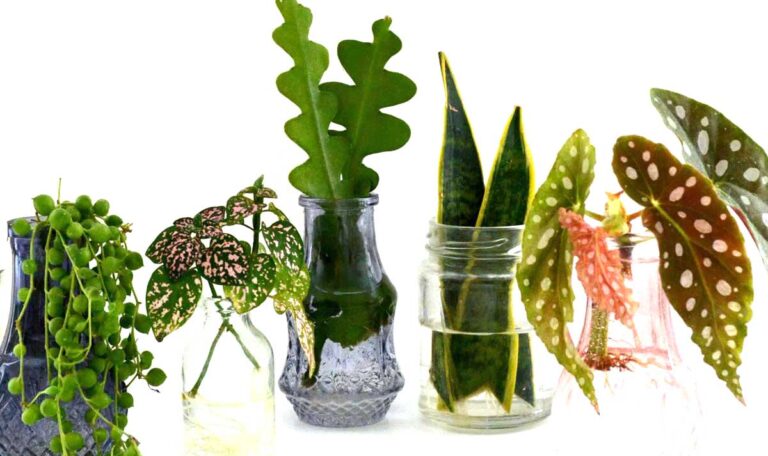
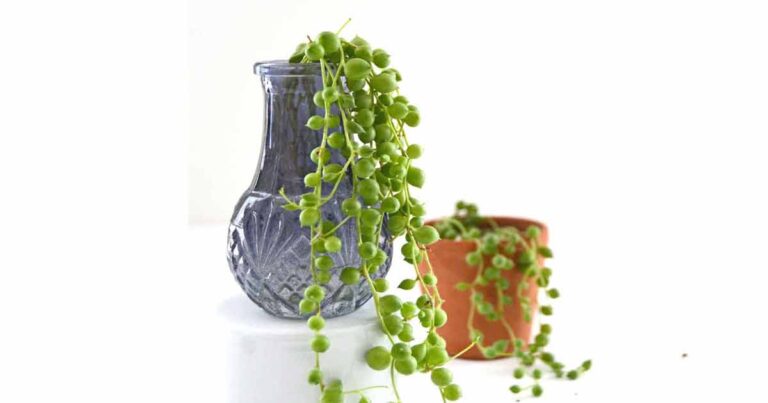
Select plants that are known for being easy to propagate, such as spider plants, begonias, or string of pearls. These plants root quickly, have a high success rate, and require minimal fuss.
Further reading: 35 Plants to propagate in water.
2. Use Healthy Parent Plants
Healthy parent plants are more likely to produce healthy offspring. Look for plants with vibrant foliage and strong growth.
3. Propagate at the Right Time
Propagation is most successful during the plant’s active growing season, typically in spring or early summer. The warmer weather and longer daylight will help encourage new growth. Avoid propagating during periods of dormancy. (It is possible, but it will take longer and success rate decreases.)

4. Gather Your Supplies
You’ll need sharp, clean scissors or pruning shears, well-draining soil or rooting medium, and small jars or pots for planting.
5. Choose Your Propagation Method
There are several methods of propagation, including stem cuttings, leaf cuttings, division, and layering. You can propagate in water or directly in soil. Choose the method that best suits the plant you’re propagating.

6. Take Cuttings Carefully
When taking stem cuttings, use clean, sharp shears and cut just below a leaf node. Remove the bottom leaves from the cutting before propagating.
For succulent leaf propagation, it is important to have a clean break when removing a leaf from the plant. Leaves won’t grow roots if part of the leaf breaks off and another part stays attached to the parent plant.

7. Provide Adequate Care
Place your cuttings in bright, indirect light. If propagating in water, regularly change the water to prevent algae from building up. When propagating in soil, keep it slightly moist but not waterlogged. Monitor the cuttings regularly for signs of growth or issues like rot.
8. Be Patient
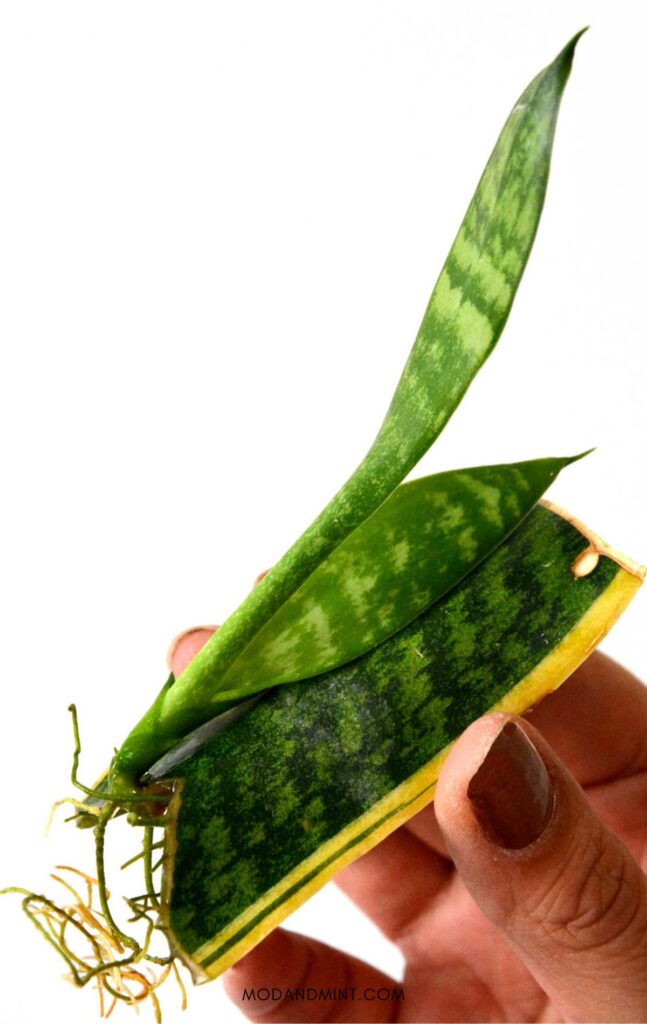
Propagation takes time, so be patient and give your cuttings time to establish roots. Depending on the type of plant, it may take several weeks or even months for roots to develop. For instance, spider plants can start to grow roots in 1-2 weeks, while snake plants may take 1-2 months! Practice patience.
9. Transplant Carefully
Once water-propagated cuttings have roots of about 1-2 inches, you can transplant them into small pots with well-draining soil. Resume regular care when you see signs of new growth. Handle them gently to avoid damaging the delicate roots.
Happy propagating!



The best plant sight I’ve Seen. Easy to read, to the point, so glad I found you!